
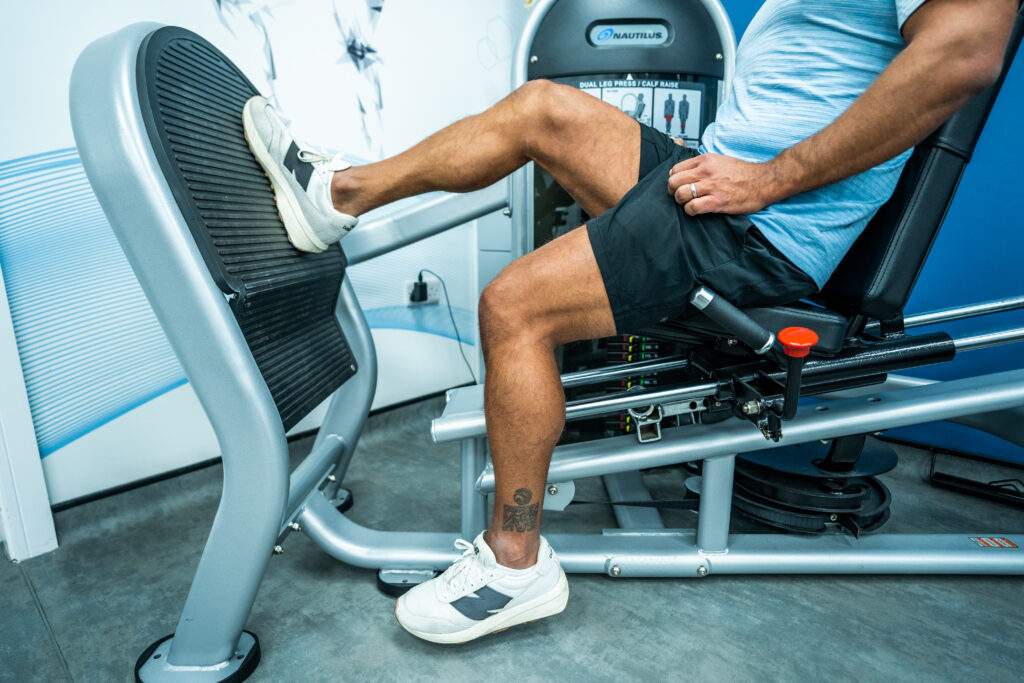
Knee pain is one of the most common problems we treat at Indergaard Physiotherapy. Whether it’s a sharp twinge when running, stiffness after sitting too long, or discomfort climbing the stairs, knee issues can hold you back from doing the things you love.
Knee pain is one of the most common problems we treat at Indergaard Physiotherapy. Whether it’s a sharp twinge when running, stiffness after sitting too long, or discomfort climbing the stairs, knee issues can hold you back from doing the things you love.
The good news? With the right approach, most knee pain can be treated successfully. Here’s what you need to know.
What Causes Knee Pain?
Knee pain can develop for lots of reasons, but some of the most common include:
- Injuries – such as ligament sprains, meniscus tears, or patella tendon problems
- Overuse – too much running, squatting or repetitive stress without enough recovery
- Poor movement patterns – muscle imbalances or weakness around the hips and glutes can overload the knee
- Arthritis or age-related wear – changes in the joint that cause stiffness and swelling
Our physios often see people who’ve been living with niggles for months, thinking it will “just go away.” The reality is that knee pain usually needs a proper assessment to find the underlying cause.
What Does Knee Pain Feel Like?
You might notice:
- A dull ache around the front or sides of the knee
- Sharp pain when bending, squatting or twisting
- Clicking, popping or a feeling of instability
- Stiffness after sitting or sleeping
If your knee pain is stopping you walking, exercising, or even sleeping properly, it’s time to get it checked.
How to Treat Knee Pain
At Indergaard, we don’t just treat the pain — we look at why it’s there. Your treatment might include:
- Hands-on physiotherapy to ease pain and stiffness
- Exercise programmes to strengthen weak areas and restore balance
- Shockwave Therapy (link: https://indergaardphysio.com/service/shockwave-therapy/) for stubborn tendon issues
- Sports massage for muscle tightness
- Diagnostic ultrasound (https://indergaardphysio.com/service/diagnostic-ultrasound/) to get a clear picture of what’s happening
Your physio will create a personalised rehab plan so you can get back to running, training or moving comfortably again.
How to Prevent Knee Pain
The best way to protect your knees is to:
- Keep your quads, glutes and core strong
- Warm up before activity and cool down afterwards
- Avoid sudden increases in running mileage or gym load
- Wear supportive footwear that matches your activity
- Listen to niggles – don’t ignore early warning signs
These small changes can make a big difference in keeping your knees healthy long-term.
When to See a Physio
If your knee pain isn’t improving after a couple of weeks, or if it’s affecting your daily life, it’s worth booking an appointment. Getting help early means:
✔️ Faster recovery
✔️ Less risk of long-term damage
✔️ A clear plan for getting back to sport or activity
What Our Patients Say
⭐️⭐️⭐️⭐️⭐️
“I cannot recommend Tom Walker highly enough. He has been treating me for over 12 months with an ongoing injury from an initial trauma. His understanding alongside his in-depth knowledge has made me feel positive and in control of my recovery. Still a way to go but with his support and use of innovative treatments I know I am in the best hands! Thanks Tom” – Sarah
Ready to Fix Your Knee Pain?
Don’t wait weeks on a waiting list. Get answers and a clear treatment plan now.
📍 Clinics in Leeds & Wakefield
📞 Call 0113-286-0333
🌐 Book online at www.indergaardphysio.com